
Winter Safety Tips to Prevent Premises Liability
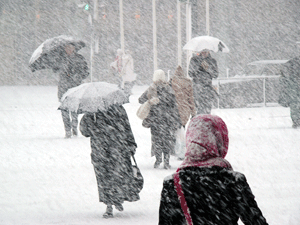 Winter is here, even if the local weather seems to disagree recently. Living in Pennsylvania, we know that any day that could change. With colder weather, more opportunities for slip-and-fall accidents can arise due to ice and snow. Businesses with a high volume of foot traffic or large number of employees are especially at risk of an accident occurring on their property. To help ensure the safety of workers and customers alike, we’re offering some helpful winter safety tips.
Weather Hazards
Slips and falls are one of the most common causes of premises liability accidents. Protect your customers and employees by clearing outside walkways of snow and ice as quickly as possible. Place “wet floor” signs in entryways during wet weather and provide secured rugs on wood or tile entryway floors.
Besides slips and falls, the winter weather can cause other safety issues. Remove any icicles that form from rooftops, as they can fall and cause injury to people walking below. Hiring trained professionals to remove ice and snow from your rooftop is always a better option than asking an untrained employee to do so, as it can reduce the risk of serious injury.
Have a winter weather plan for employees in case of power failure or in the event a state-of-emergency is declared during business hours, closing roadways. Make sure that your employees are aware of the plan, and know what is expected of them in case of an emergency.
To avoid fires, ensure that heat sources are clear of any flammable and/or combustible materials, including wires and power cords.
General Upkeep
General upkeep on your property not only enhances your business’s look, but is important when preparing for winter weather. Be sure to prep your business for winter safety by inspecting key areas for potential dangers.
Before the severe weather hits, this might be a good time to have a professional assess any trees or power lines that are on your property. Trimming and securing these now might prevent them from falling during a snowstorm or ice storm.
Provide adequate lighting in walking areas. Make warning signs clearly visible for any dangerous conditions or equipment that requires safety training. When snow begins to thaw, check for flooding or leaks that can cause additional safety concerns.
If you have questions regarding premises liability or slip-and-fall accidents, talk with our team. Contact us 24/7 for the Results You Deserve®.
The personal injury attorneys at KBG Injury Law are all experienced litigators. Almost all of them represented insurance companies prior to becoming advocates for injured people, which provides them with a unique perspective and insight into how these companies operate. They also offer extensive courtroom experience if going to trial is the best legal alternative for the client.
[Read More]