
What Is the Role of an Expert Witness in a Personal Injury Trial?
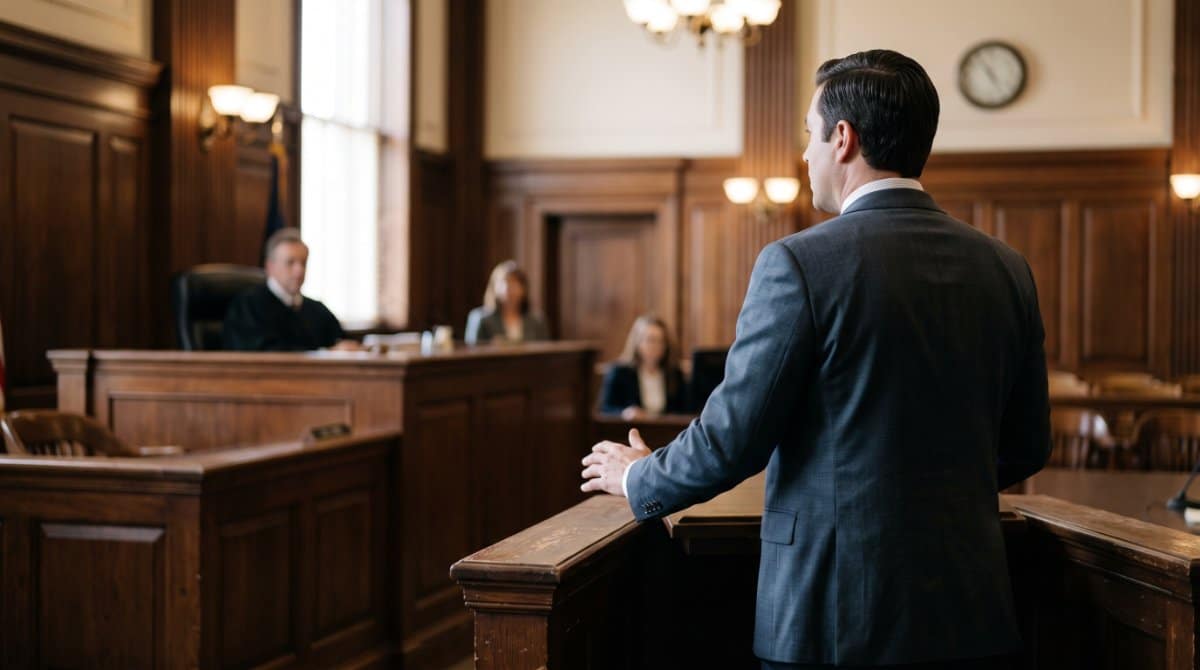
KBG Injury Law has served clients across South Central Pennsylvania for over 40 years. We have developed relationships with experts we work with on a variety of personal injury cases. Keep reading to learn more about why expert witnesses matter in personal injury cases and how, when, and why we use experts.
What qualifies someone to be an “expert witness?”
What makes someone an expert? In Pennsylvania, there are legal qualifications for acting as an expert witness.
According to Pennsylvania Rule of Evidence 702, a witness who is qualified as an expert by knowledge, skill, experience, training, or education may testify in the form of an opinion or otherwise if:
- The expert’s scientific, technical, or other specialized knowledge is beyond that possessed by the average layperson.
- The expert’s scientific, technical, or other specialized knowledge will help the trier of fact to understand the evidence or to determine a fact in issue.
- The expert’s methodology is generally accepted in the relevant field.
Additionally, the Commonwealth of Pennsylvania relies on what is known as the “Frye standard” to determine if an expert’s testimony is based on acceptable, admissible evidence. Under the standard, evidence must be “based on scientific methods that are sufficiently established and accepted.” In other words, new or experimental methods may not qualify.
What types of expert witnesses do personal injury attorneys work with?
While there is a broad range of experts capable of testifying on nearly any subject, the expert witnesses usually relied upon in personal injury cases often include:
- Accident reconstruction experts – Reconstructionists can look at the physical scene of an accident and the damage that resulted from it to identify the cause. They are commonly used as expert witnesses in car accidents, but they can also testify about other types of incidents, including slip and falls and product liability claims.
- Medical experts – Medical experts can explain complex medical information. They can also explain the severity of your injuries and the impact they have on you and your life. Their role is different from that of your treating physician, who may testify about the healthcare they provided to you.
- Life care planning experts – These experts can speak regarding any disability caused by the accident, including the severity of the disability and how it may impact your quality of life and life expectancy. A life care planner can also explain the type of medical and personal care you may need in the long term.
- Engineering experts – Structural engineers and experts in product design and function can testify about building construction and design flaws.
- Financial experts – Financial experts can speak about the effect the accident and your injury have had or will have on your financial situation, including medical and other expenses related to your injury and loss of wages due to your injury.
- Vocational rehabilitation experts – Vocational experts can help verify that your injuries prevent you from working in the same job or career field as before you were hurt. They can testify about physical or mental limitations you may have as a result of your injury and how that may impact your ability to perform certain types of work. This type of testimony can support claims related to lost or diminished wages and future earning capacity.
Depending on the specifics of your case and injuries – as well as the impact your injuries have had and will continue to have on your quality of life and your physical, mental, emotional, and financial well-being – your attorney may have one or more experts involved in your case – either as consultants or as witnesses.
Does an expert witness do more than testify?
Experts often do more than provide expert witness trial testimony. Your personal injury attorney may consult with an expert on various technical aspects of your case. The expert can provide insight into the facts of your case and whether or not the evidence is enough to win your claim. This may help your lawyer decide if they should take your case to trial or accept a settlement.
Additionally, experts are generally necessary for Pennsylvania medical malpractice cases. According to 231 Pa. Code R. 1042.3, you generally must file a certificate of merit supported by a written statement from an appropriate licensed professional within 60 days after filing a medical malpractice complaint. The statement affirms that there is a reasonable probability the care fell outside acceptable professional standards and caused the harm.
Will you need an expert witness?
Maybe. Whether or not an expert witness will be helpful really depends on the details of your specific case.
The expert’s job is to provide information and opinions that help the judge and jury understand any complicated aspects of your claim, so they may be especially helpful in cases that involve a lot of technical or scientific information your average person would not know. Additionally, an expert witness can provide an independent professional opinion that may help bolster your claim’s credibility.
The best way to determine if you need an expert witness is to consult with an attorney who can advise you on whether an expert could help your case. A lawyer can help you find and hire the experts you need and use them as part of your overall case strategy.
Contact KBG Injury Law about your personal injury case
If someone else’s negligence injured you or someone you love, you may be able to seek compensation for your injuries, financial losses, and pain and suffering. An experienced personal injury lawyer with KBG Injury Law can advise you regarding the use of expert witnesses in your case and help you fight for the maximum compensation possible.
Our law firm has offices in Lancaster, Gettysburg, Hanover, Harrisburg, and York, and we represent clients in personal injury cases throughout South Central PA. Contact us today for a free consultation.

Brian P. Strong has been a member of KBG since 2002 and since that time has focused exclusively on cases involving personal injury and wrongful death. Learn more about Brian.